Growing Brussels Sprouts From Seed (Yes, You Can Totally Do This!)
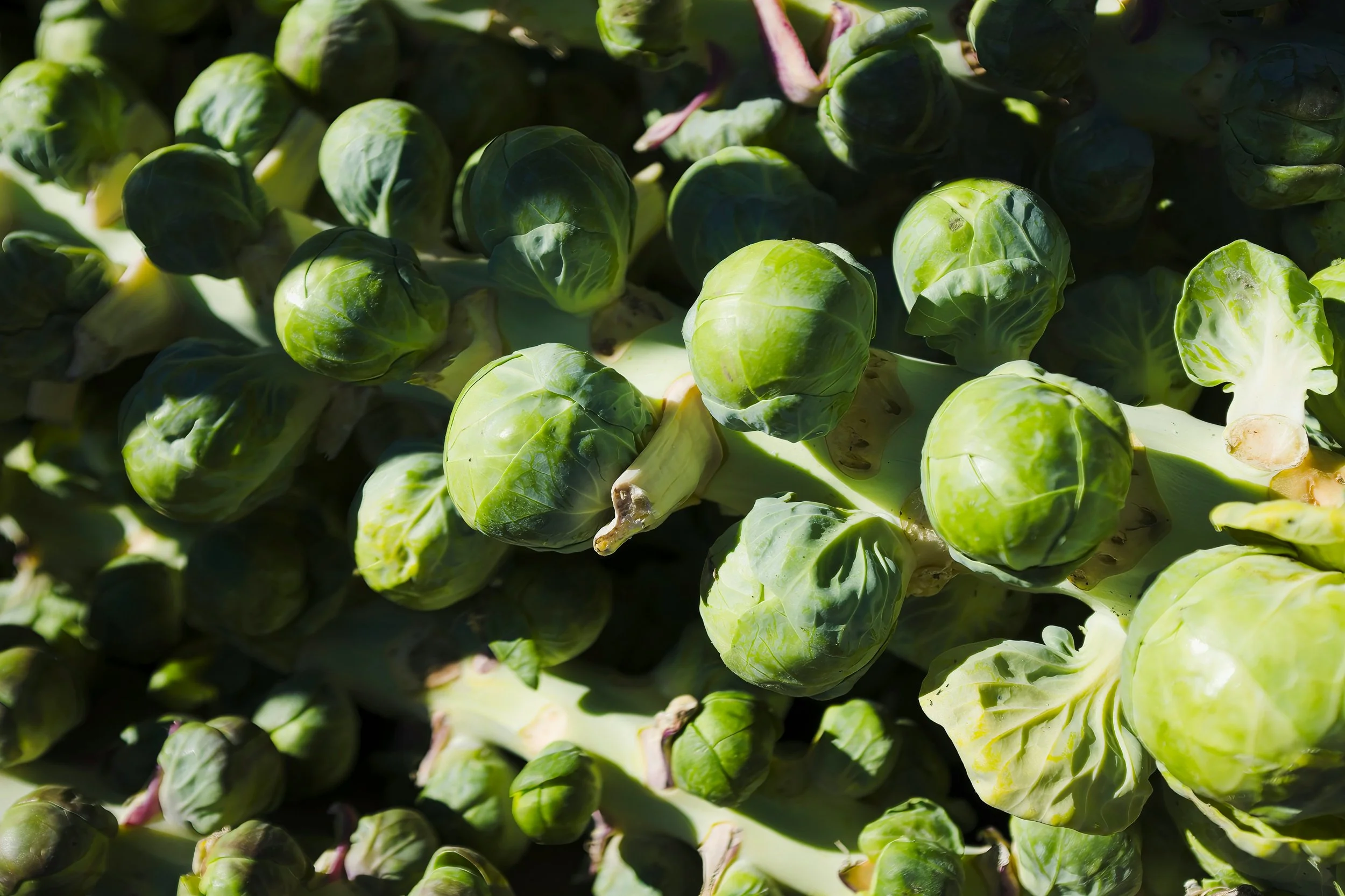
If you’ve ever seen Brussels sprouts growing on their tall, Dr. Seuss–looking stalk and thought, “Okay… that’s kind of amazing” — you’re right. They’re one of the coolest crops you can grow. Tiny cabbages stacked up a thick stem? Iconic.
And the best part? Growing Brussels sprouts from seed is completely doable — even if you’re not a “master gardener” yet.
Let’s break it down in a fun, stress-free way.
🌤 First Things First: They Love Cool Weather
Brussels sprouts are not summer divas. They thrive when the air gets crisp.
🌱 Spring Planting
Start seeds indoors 6–8 weeks before your last frost
Transplant outside 2–3 weeks before the last frost
🍂 Fall Planting (The Fan Favorite)
Start seeds indoors in late summer
Transplant outside so they mature in cool fall temps
Pro tip: Fall-grown sprouts often taste sweeter — especially after a light frost. Cold weather = better flavor.
🌱 Starting Seeds Like a Pro
You don’t need anything fancy.
Use seed trays or small pots
Fill with light seed-starting mix
Place in a warm spot with good light (a sunny window or grow light)
🌡 Ideal Germination Conditions
Soil temp: 65–75°F
Keep soil moist (not soggy!)
Expect sprouts in 7–14 days
Watching those first tiny green leaves pop up? Pure plant-parent joy.
🌿 Time to Move Outdoors
Once your seedlings have 2–3 true leaves and have been “hardened off” (gradually introduced to outdoor weather), they’re ready.
Give Them Space
18–24 inches apart
Rows 24–30 inches apart
Yes, they need room. They grow tall and sturdy — like little veggie skyscrapers.
💚 Care Tips for Big, Beautiful Sprouts
Brussels sprouts are surprisingly low drama if you give them what they want.
🪴 Soil
Rich, well-draining
pH between 6.0–7.0
Mix in compost for bonus points
💧 Water
Keep soil consistently moist
Deep watering > light sprinkles
🌾 Feed & Mulch
Fertilize every 4–6 weeks with a balanced fertilizer
Add mulch to hold moisture and block weeds
Mulch = your secret weapon for a calmer garden.
🐛 Keeping Pests in Check
Because cabbage-family plants always attract attention.
Watch for:
Aphids
Cabbage worms
Flea beetles
Handpicking works. Insecticidal soap works. Staying observant works best.
For disease prevention:
Give plants airflow
Rotate crops yearly
Remove any infected leaves quickly
Healthy soil + spacing = fewer headaches.
🥬 Harvest Time (The Best Part)
Sprouts are ready when they’re about 1–2 inches wide.
Harvest from the bottom of the stalk first — they mature upward.
And if you can wait for a frost? Do it. The cold transforms their flavor into something sweeter and richer.
✨ Why Grow Them From Seed?
Because there’s something incredibly satisfying about:
Watching tiny seeds become towering stalks
Harvesting dozens of sprouts from one plant
Serving homegrown Brussels sprouts at the table
Roasted. Sautéed. Air-fried. However you cook them — they’ll taste better knowing you grew them.
So if you’ve been thinking about it… this is your sign.
Plant the seeds. Watch the magic. Enjoy the harvest.
Happy growing, plant friend 🌱