How to Keep a Poinsettia Alive After Christmas: Light, Water, and the Biggest Care Mistakes
Poinsettias are everywhere during the holidays—bright red, festive, and beautiful. But once Christmas is over, many people struggle to keep them alive, and even fewer know how to get them to look good again the following year. The truth is, poinsettias don’t have to be “throwaway plants.” With the right care, they can live for years and even turn red again.
The key is understanding what poinsettias actually need—and avoiding a few very common mistakes.
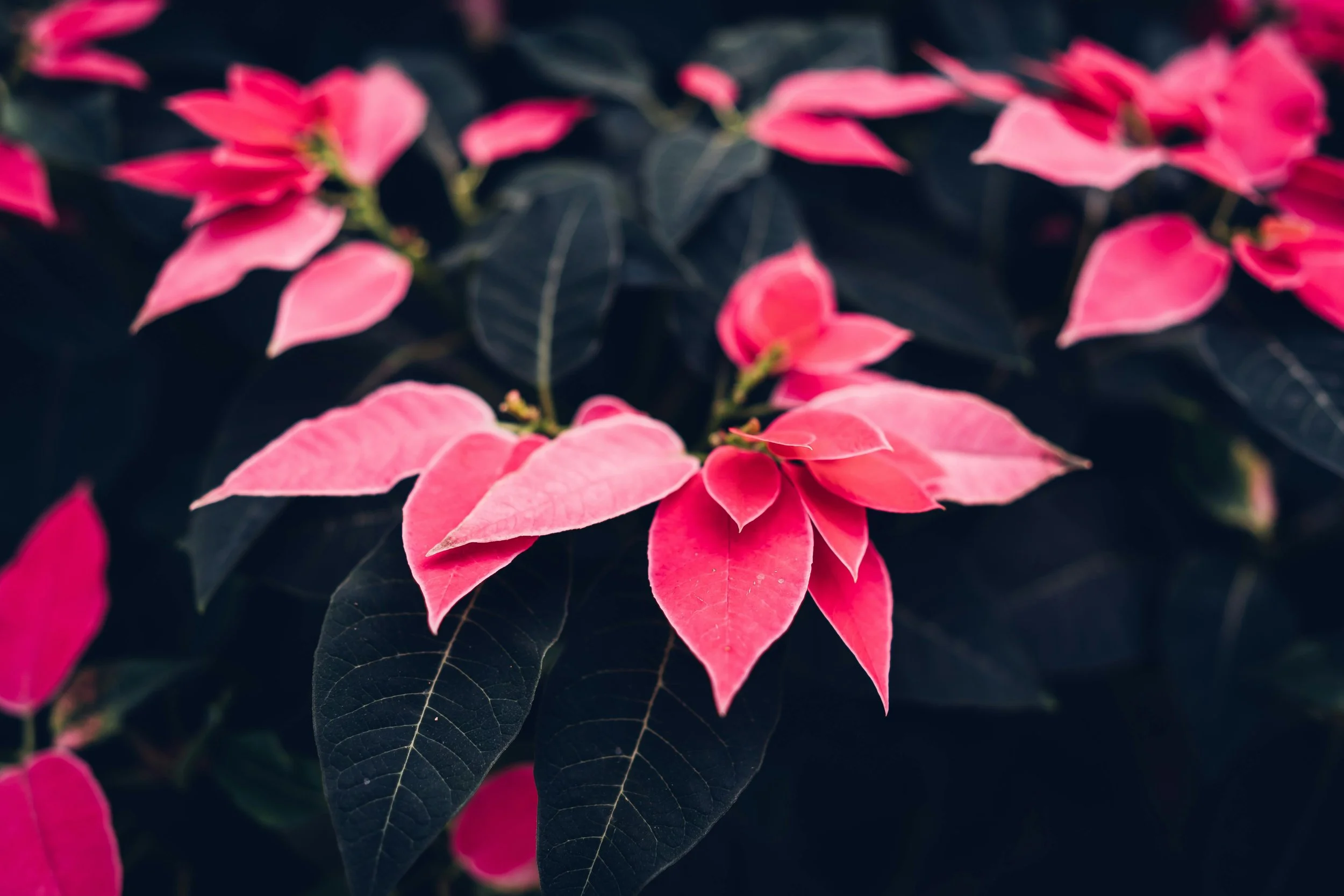
Understanding the Poinsettia’s Needs
Poinsettias are tropical plants native to Mexico. That means they like warm temperatures, bright light, and consistent care, not cold drafts or soggy soil. Most problems happen because people treat them like seasonal décor instead of living plants.
Once you shift your mindset from “holiday decoration” to “houseplant,” keeping a poinsettia alive becomes much easier.
Light: Bright, Indirect Is Best
One of the biggest mistakes people make is not giving their poinsettia enough light.
After Christmas, move your poinsettia to a spot where it can get bright, indirect sunlight for at least 6 hours a day. A sunny window with filtered light works well. Direct, harsh sunlight can scorch the leaves, while low light will cause leaf drop and weak growth.
If your poinsettia is losing leaves quickly, insufficient light is often the reason.
Best light tips:
Place near an east- or south-facing window
Avoid dark corners or rooms with minimal daylight
Rotate the plant every few days so it grows evenly
Watering: The #1 Cause of Death
Overwatering is the most common reason poinsettias die.
Poinsettias like even moisture, not soggy soil. Always check the soil before watering. If the top inch feels dry, it’s time to water. If it still feels damp, wait another day or two.
Never let your poinsettia sit in standing water. Many holiday poinsettias are wrapped in decorative foil, which traps excess water and causes root rot.
Watering rules to follow:
Water thoroughly until it drains from the bottom
Empty saucers and foil covers after watering
Never water on a schedule—check the soil instead
If leaves turn yellow and fall off, overwatering is usually the culprit.
Temperature and Drafts Matter More Than You Think
Because poinsettias are tropical plants, they hate cold.
Keep your plant in temperatures between 65–75°F during the day and slightly cooler at night, but never below 55°F. Cold drafts from doors, windows, or air vents can cause sudden leaf drop.
Avoid placing poinsettias near:
Exterior doors
Drafty windows
Heating vents or fireplaces
Sudden temperature changes stress the plant and shorten its lifespan.
Humidity Helps Poinsettias Thrive
Indoor air during winter is often very dry, which poinsettias don’t enjoy. Low humidity can cause leaf edges to brown or curl.
You can improve humidity by:
Placing a tray of water and pebbles beneath the pot
Grouping plants together
Running a small humidifier nearby
Light misting can help, but don’t overdo it—wet leaves sitting in cool air can lead to problems.
What to Do After the Red Leaves Fade
Those bright red “flowers” are actually bracts, not true flowers. Once they fade and fall, many people assume the plant is done—but this is completely normal.
After blooming ends:
Continue regular watering and light
Expect some leaf drop—it’s part of the plant’s cycle
In spring, prune the plant back to about 6 inches tall
Pruning encourages bushier growth and prepares the plant for new leaves.
Fertilizing at the Right Time
Another common mistake is fertilizing too early—or not at all.
Do not fertilize while the plant is blooming. Once you see new green growth in spring, you can begin feeding with a balanced houseplant fertilizer every 2–4 weeks.
Proper nutrition helps:
Strengthen roots
Encourage healthy leaves
Support future bract color
Stop fertilizing in early fall when you begin bloom preparation.
The Biggest Mistake: Not Preparing for Red Color
Many people don’t realize poinsettias need darkness to turn red again.
Starting in late September or early October, poinsettias require:
12–14 hours of complete darkness every night
For 8–10 weeks consistently
Even small amounts of light—lamps, TVs, streetlights—can stop the color change.
You can:
Place the plant in a dark closet nightly
Cover it with a box or light-proof cover
Return it to bright light each morning
This process triggers the color change that makes poinsettias red again.
Common Care Mistakes to Avoid
Here are the biggest poinsettia care mistakes people make:
Overwatering or letting roots sit in water
Keeping the plant in low light
Exposing it to cold drafts
Forgetting humidity
Skipping the dark period needed for color
Avoiding these issues alone can dramatically improve your success.
Grow Time
Keeping a poinsettia alive after Christmas isn’t difficult—it just requires understanding its tropical nature. With proper light, careful watering, stable temperatures, and a little patience, your poinsettia can thrive year after year and even regain its iconic red color.
Instead of tossing it out when the holidays end, give your poinsettia the care it deserves. You might be surprised at how long it lasts—and how beautiful it becomes next Christmas.