How to Get Your Christmas Cactus to Bloom Again: Cactus Care Made Simple
The Christmas cactus (Schlumbergera) is a popular holiday plant known for its vibrant, tubular flowers that bloom around the holiday season. Unlike traditional cacti, which thrive in desert conditions, the Christmas cactus prefers a more humid environment and requires some special care to ensure it blooms beautifully each year. If your Christmas cactus isn’t blooming as expected, don’t worry! In this article, we’ll explore some simple tips to encourage healthy growth and vibrant flowers.
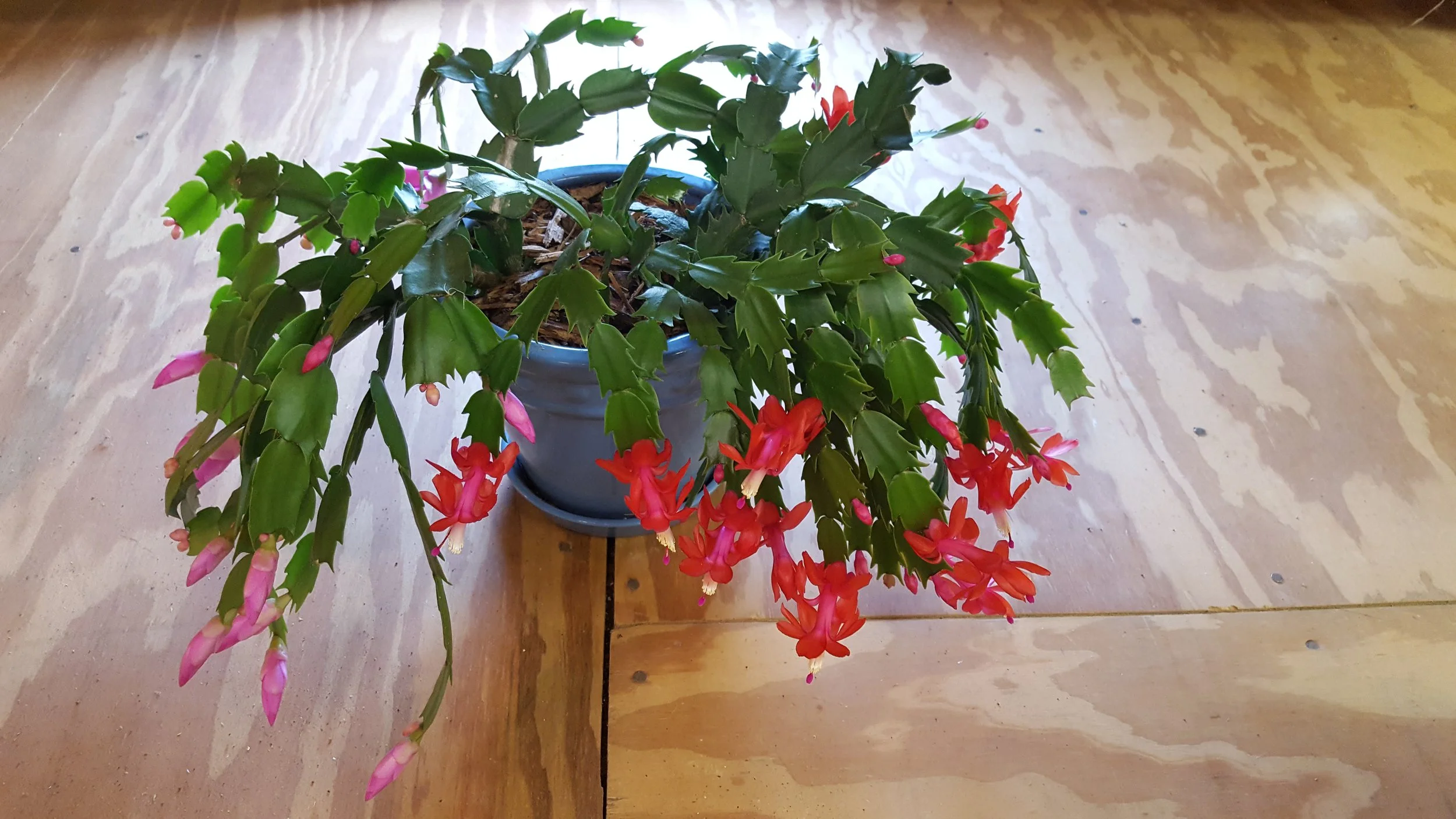
Boost your plant’s blooming potential with our specially formulated Christmas cactus plant food, created to deliver the essential nutrients it needs to thrive!
Understanding the Christmas Cactus
Before diving into care tips, it’s important to understand where the Christmas cactus comes from. Native to the cloud forests of Brazil, this cactus grows in the humid understory of rainforests. This means that its needs are quite different from those of the typical desert cactus. Knowing this helps in providing the right environment and care.
Timing is Everything
The Christmas cactus typically blooms between late November and early January, coinciding with the holiday season. Understanding its blooming cycle is the first step in ensuring your plant thrives:
Short Days: These cacti require shorter daylight hours to trigger blooming. When days shorten, the plant undergoes a transition that leads to blooming.
Temperature Changes: Cooler nighttime temperatures can also encourage blooming. Aim for temperatures around 60°F to 65°F (15°C to 18°C) during the night and a bit warmer during the day.
The Basics of Care
To encourage your Christmas cactus to bloom, you need to focus on the following aspects of its care:
1. Light Conditions
Although the Christmas cactus needs bright light, avoid placing it in direct sunlight, especially during the hottest parts of the day. Instead, opt for a spot with bright, indirect light. A north or east-facing window is ideal.
2. Watering Wisely
Proper watering is crucial for the health of your Christmas cactus. Here are some tips:
Soil Check: Always check the soil moisture before watering. The top inch of soil should feel dry to the touch before you add more water.
Water Thoroughly: When you do water, ensure that water runs through the drainage holes. This helps prevent root rot, which can be fatal to your plant.
3. Humidity Levels
Since the Christmas cactus originates from a humid environment, maintaining humidity levels can help it flourish. Here are some easy ways to increase humidity:
Misting: Lightly mist your cactus once or twice a week, especially during dry winter months.
Humidity Tray: Place your cactus pot on a tray filled with pebbles and water. Make sure the pot isn’t sitting directly in the water, as this can lead to root rot.
4. Fertilization
Fertilization can significantly impact blooming. Feed your Christmas cactus with a balanced liquid fertilizer every 4-6 weeks during the growing season (spring and summer). However, stop fertilizing about a month prior to the expected bloom time to allow the plant to prepare for flowering.
Triggering Blooming
If your Christmas cactus still isn’t blooming, consider implementing a few extra strategies to trigger the flowering process:
Darkness: Starting in late September or early October, provide your cactus with about 14-16 hours of darkness each day. This can be done by placing it in a dark room or covering it with a box during the evening.
Cool Temperatures: As mentioned earlier, cooler nighttime temperatures can encourage blooming. If possible, place your cactus in a cooler room during the night, especially during the weeks leading up to its expected bloom time.
Repotting: Occasionally, repotting your Christmas cactus into slightly larger pots can stimulate growth. Make sure to use well-draining soil and only repot during the spring.
Troubleshooting Common Issues
Even with the best care, you might encounter some common problems:
Yellowing Leaves: This can indicate overwatering. Check to ensure the pot has drainage and adjust your watering schedule.
Dropping Buds: If buds are dropping before blooming, it could be due to sudden temperature changes or lack of humidity. Make sure to keep your plant in a stable environment.
Non-blooming: If the plant has grown tall without flowers, it may require more darkness or possibly a rest period. Allow it to rest after blooming by reducing watering and light.
Let’s Bloom
With the right care and a little patience, your Christmas cactus can bloom beautifully year after year by giving it adequate light, watering wisely, and maintaining proper humidity levels—because the key to consistent blooms is understanding its unique needs and adjusting your care accordingly. Ready to help your Christmas cactus thrive? Boost its blooming potential with our specially formulated Christmas cactus plant food, designed to provide all the essential nutrients your plant needs to flourish—click here to purchase today and let’s get your plant blooming beautifully!