Why Your Poinsettia Won’t Turn Red Again (And the Simple Fix Most People Miss)
Poinsettias are a staple of holiday cheer, known for their striking red leaves that brighten up homes during the festive season. However, after the holiday season, many people notice that their once vibrant poinsettia plant fails to turn red again the following year. Understanding why this happens and how to address it can help you enjoy these beautiful plants year after year.
Understanding the Poinsettia
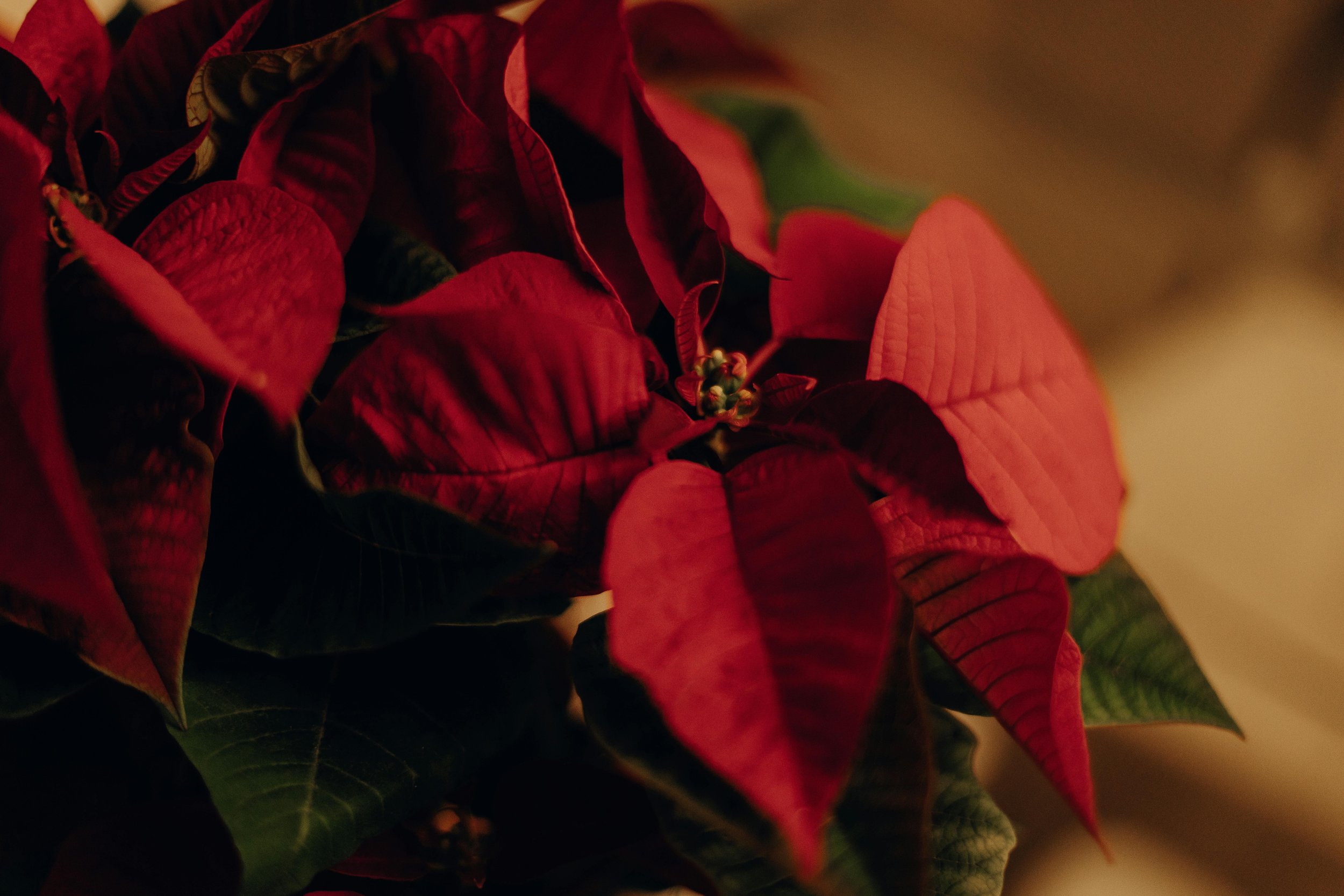
First, it’s essential to clarify that what many people refer to as the "flowers" of the poinsettia are actually modified leaves called bracts. The true flowers, which are often yellow, are found in the center of these bracts. Poinsettias are native to Mexico and thrive with specific conditions. When these conditions aren’t met, the plant’s ability to produce its bright red bracts can diminish.
The Importance of Day Length
Poinsettias are photoperiod-sensitive plants, which means they rely on the duration of light and darkness each day to thrive. To encourage blooming, poinsettias need long periods of darkness—around 14 to 16 hours of uninterrupted darkness each night. This requirement can be the primary reason why your poinsettia won't turn red again.
Common Mistakes
Light Exposure: If your plant is exposed to artificial light at night, even for a short period, it can disrupt its blooming cycle. This mistake is more common than you might think, especially during the holiday season when we often display decorations that emit light.
Temperature Fluctuations: Poinsettias prefer temperatures between 65°F and 70°F (18°C - 21°C) during the day and slightly cooler at night. Consistent temperature changes can stress the plant, inhibiting its ability to produce red bracts.
Watering Issues: Over or under-watering can affect a poinsettia's health. You'll want the soil to be moist but not soggy. Too much water can lead to root rot, while too little can dry out the plant.
The Simple Fix Most People Miss
Now that we understand the potential reasons why your poinsettia isn’t turning red, let’s talk about the simple fix most people overlook: controlling the light exposure.
To encourage blooming, follow these steps:
Provide Darkness: Starting around late September, place your poinsettia in a dark room or cover it with a box from about 5 PM until 8 AM. Continue this for about 8-10 weeks. This darkness will signal the plant to enter its blooming phase.
Consistent Care: Maintain a regular watering schedule and keep the plant in a suitable temperature range. Check the soil regularly to ensure it doesn’t dry out or become too waterlogged.
Gradual Exposure: After the 8-10 weeks of darkness, you can gradually introduce the plant back to light. Ensure it's placed in a bright location but away from direct sunlight, which can scorch the leaves.
Fertilization: After the holidays, consider using a balanced fertilizer. This can help replenish the nutrients in the soil and promote growth as the plant begins to adjust back to a regular care routine.
Other Factors to Consider
While light exposure is a crucial factor, other elements can also influence your poinsettia's color. Ensure that it is placed in a location that gets bright but filtered light. Drafts from doors or windows and excessive heat from heating vents can stress the plant, leading to poor health and lackluster bracts.
Grow Time
In summary, if your poinsettia won’t turn red again, it’s likely a result of improper lighting conditions, temperature fluctuations, or watering issues. By providing your plant with the right conditions—especially the much-needed darkness—you can significantly increase your chances of seeing those vibrant red leaves once more.
By following these simple steps and paying attention to your poinsettia’s needs, you can enjoy its beauty long after the holiday season has ended. Don't overlook the power of light and caregiving; they are the keys to bringing back your plant's vivid colors!